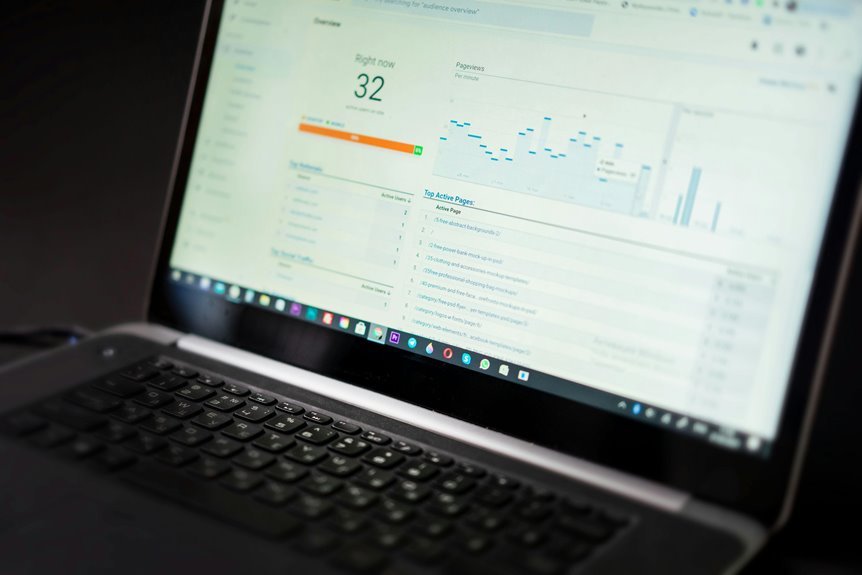
A comprehensive metrics dashboard serves as a critical tool for organizations aiming to refine their strategic decision-making. By visually consolidating key performance indicators, it enables leaders to track revenue growth, customer satisfaction, and operational efficiency effectively. This integration of data facilitates timely adaptations to market dynamics. However, understanding the optimal implementation and the nuances of real-time data insights is essential for maximizing its potential. What factors should be considered to ensure its effectiveness?
The Significance of a Metrics Dashboard in Business Strategy
Although many organizations recognize the importance of data in driving business decisions, the role of a metrics dashboard in shaping a coherent business strategy cannot be overstated.
A well-structured dashboard enhances metrics alignment, facilitating strategic decision making. By providing a clear visualization of performance indicators, it empowers leaders to identify trends, assess progress, and make informed choices that foster organizational growth and adaptability.
Key Performance Indicators to Monitor
When organizations aim to enhance their performance and achieve strategic objectives, identifying and monitoring key performance indicators (KPIs) becomes essential.
Key metrics such as revenue growth, customer satisfaction, and operational efficiency provide critical insights.
Effective performance tracking allows organizations to gauge progress, make informed decisions, and adapt strategies, ultimately fostering a culture of accountability and continuous improvement aligned with overarching goals.
Implementing an Effective Metrics Dashboard
Implementing an effective metrics dashboard requires a strategic approach that aligns with organizational goals and user needs.
Essential elements include thoughtful dashboard design and intuitive data visualization, ensuring clarity and accessibility.
Benefits of Real-Time Data Insights
Real-time data insights offer organizations a significant advantage by enabling timely decision-making and responsive strategies.
Through effective data visualization, stakeholders can quickly interpret complex information, facilitating informed actions.
This immediacy allows businesses to adapt to market changes swiftly, enhancing competitiveness.
Ultimately, the integration of real-time insights into decision-making processes empowers organizations to optimize performance and harness opportunities for growth.
Conclusion
In conclusion, a comprehensive metrics dashboard serves as a pivotal tool in enhancing strategic decision-making for organizations. For instance, a retail company that implemented such a dashboard observed a 15% increase in customer satisfaction scores within six months, attributed to timely adjustments based on real-time data insights. By continuously monitoring key performance indicators, businesses can not only track progress but also foster a proactive approach to challenges, ultimately driving sustained growth and operational excellence.